Eternal Hospital

Eternal Hospital
Saadat Abad, Tehran
Designed by Pouya Gerami

Area: Approx. 7,000–10,000 m² | Floors: 3

Clarity in Function. Compassion in Form.

Eternal Hospital was designed as a conceptual yet highly functional response to the needs of a modern healthcare facility in the dense southern district of Tehran. With a focus on logical spatial sequencing and healing-centered design, this three-story hospital balances medical efficiency with emotional and physical well being.


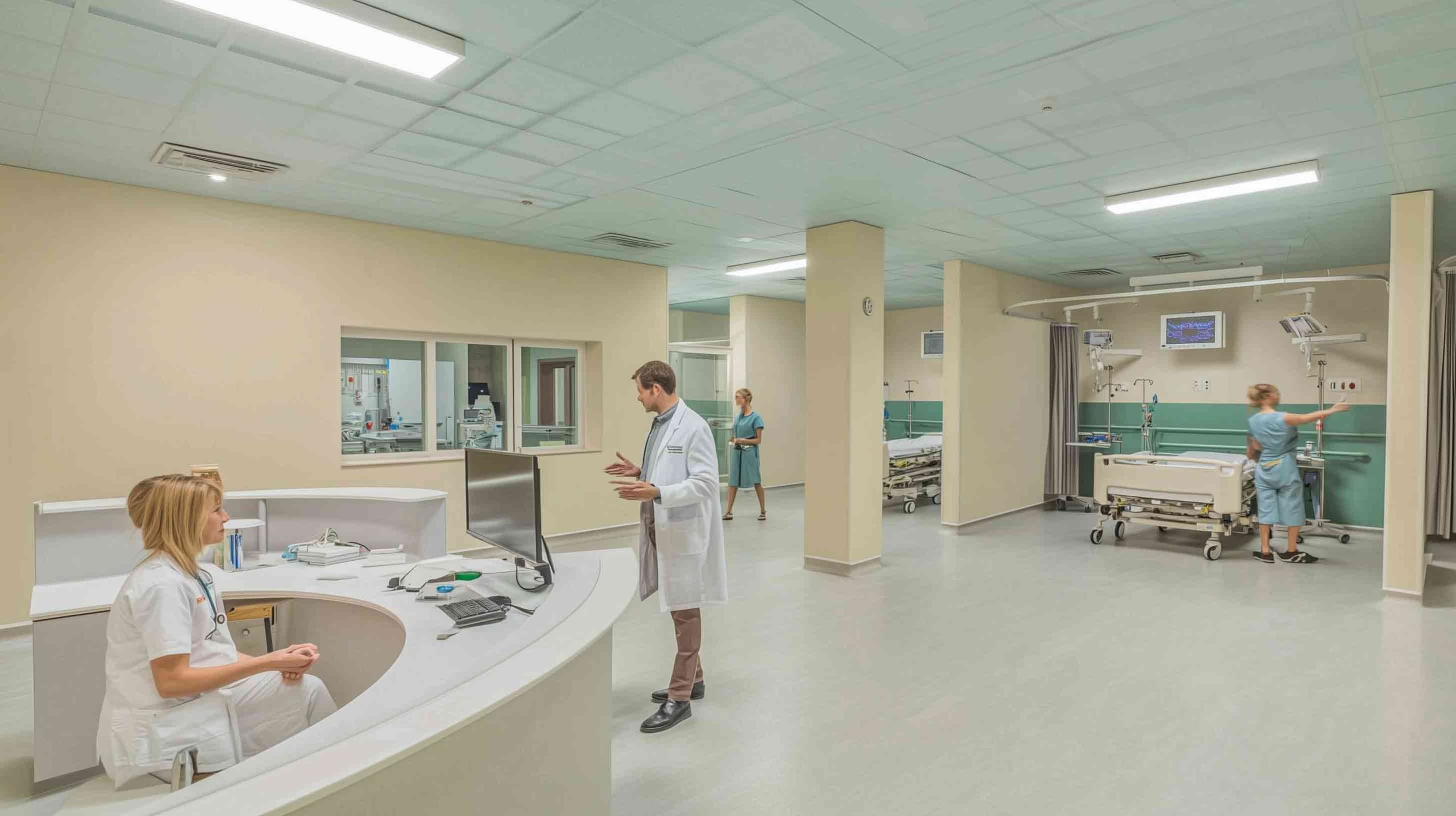
The design strategy prioritized adjacency: placing medical departments and units in intelligent proximity to one another improving circulation, response time, and workflow. From the emergency and ICU units on the ground floor to specialized surgery departments on the first, and recovery and patient rooms on the second, the building’s layout supports clarity, calmness, and purpose.

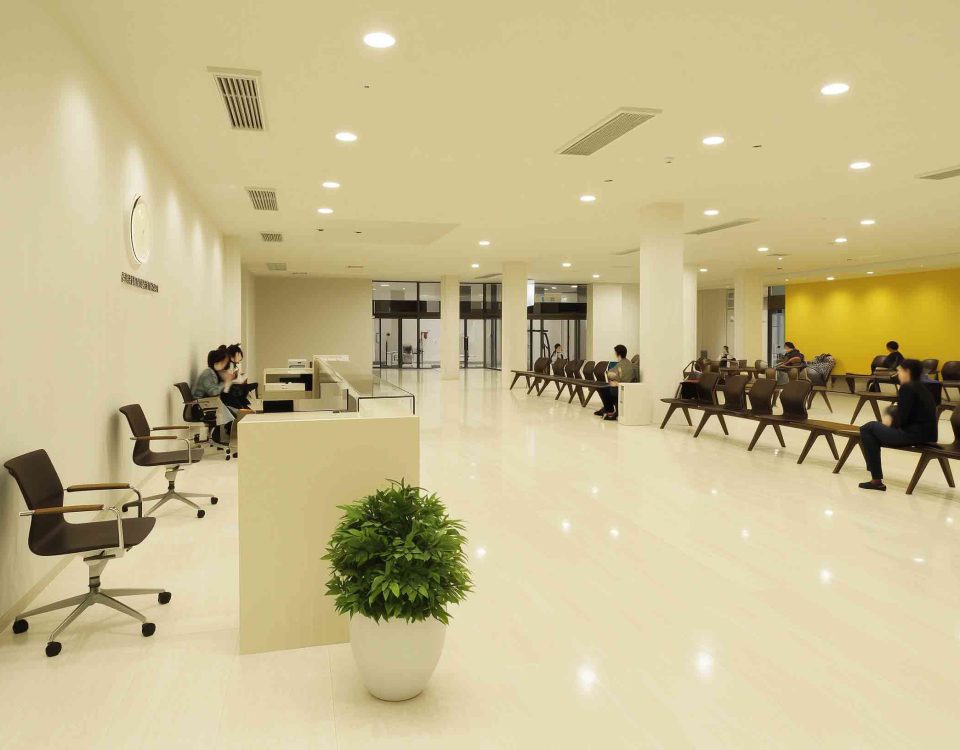
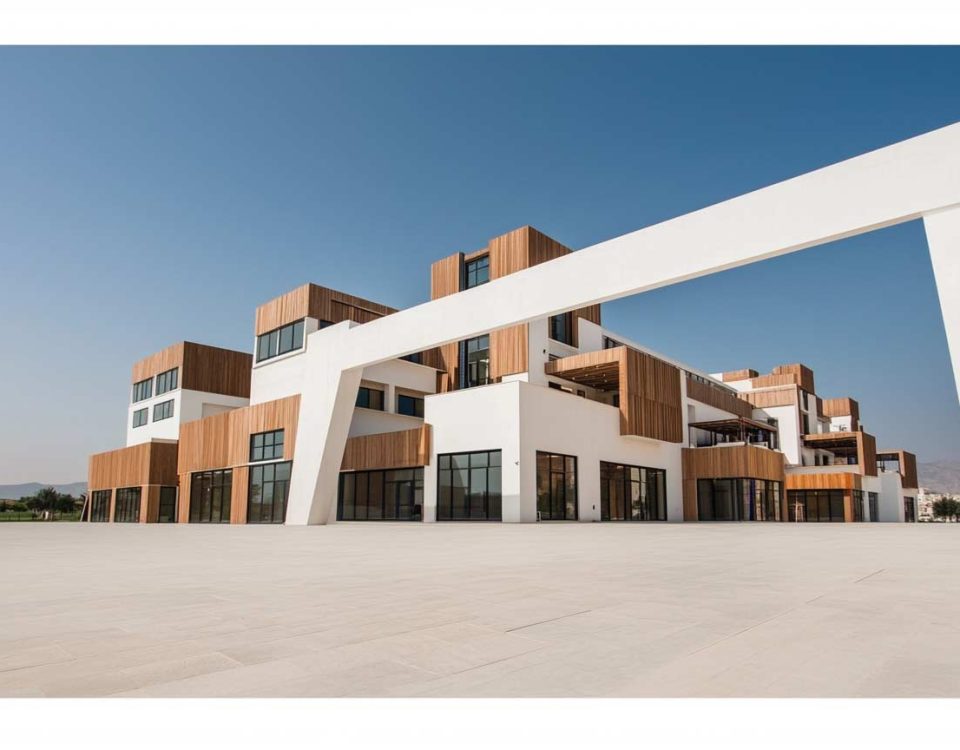
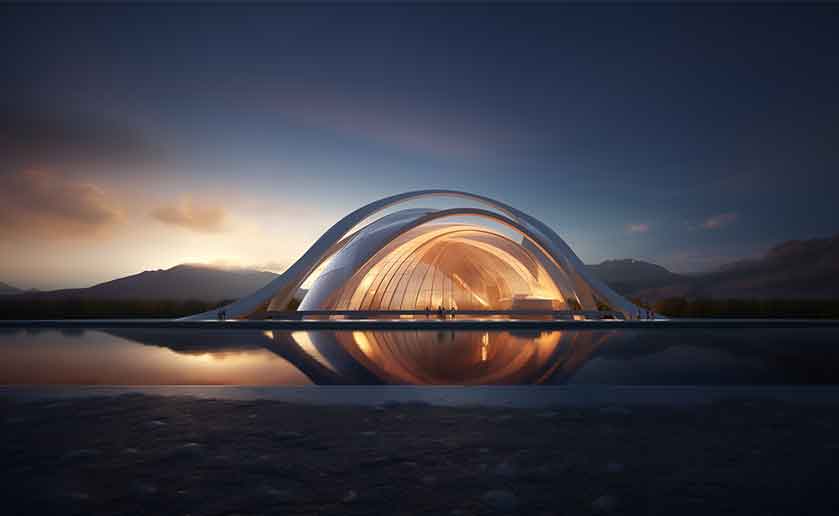
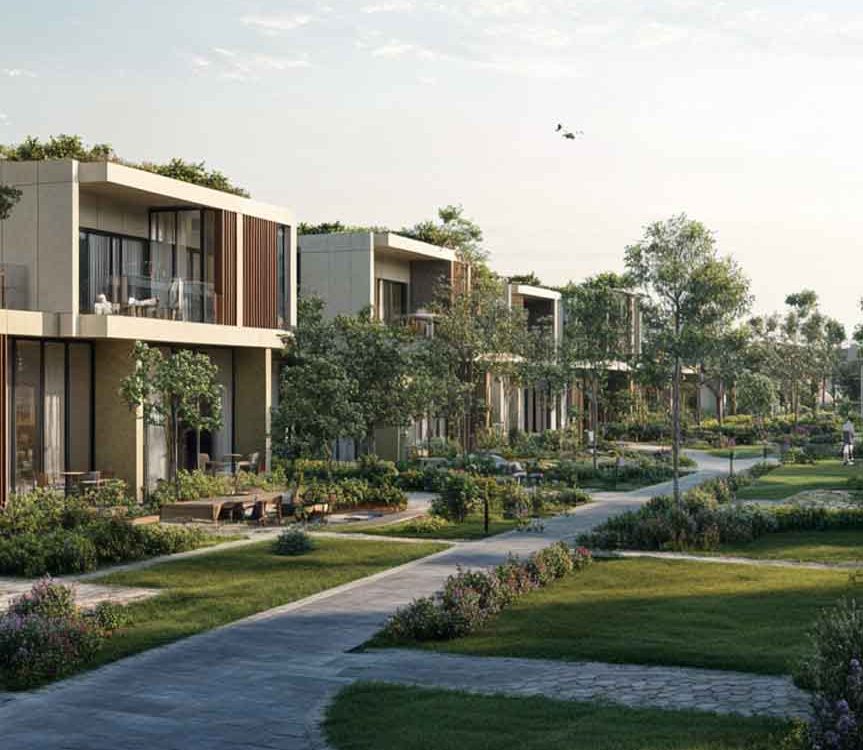
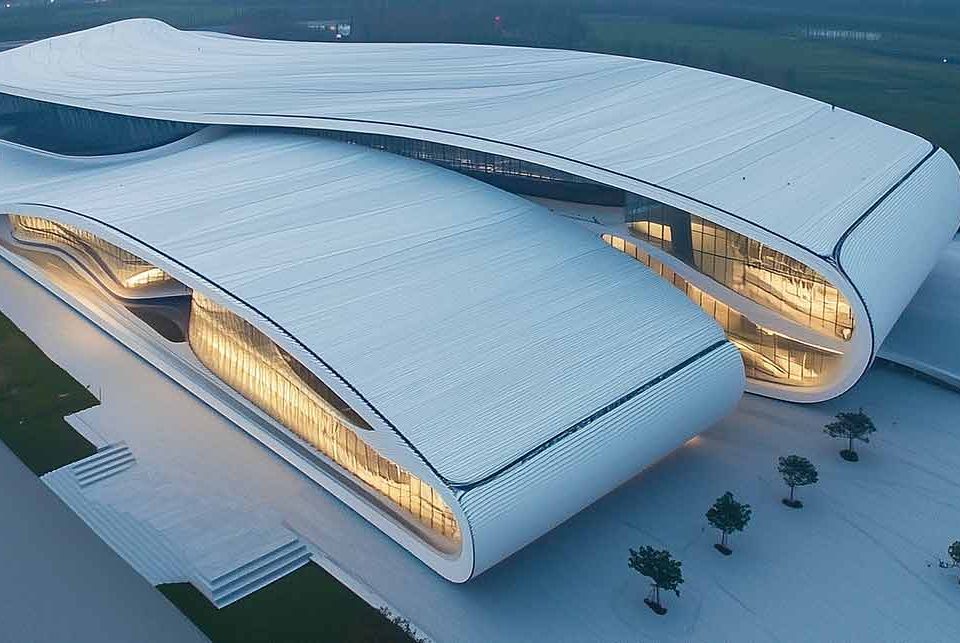
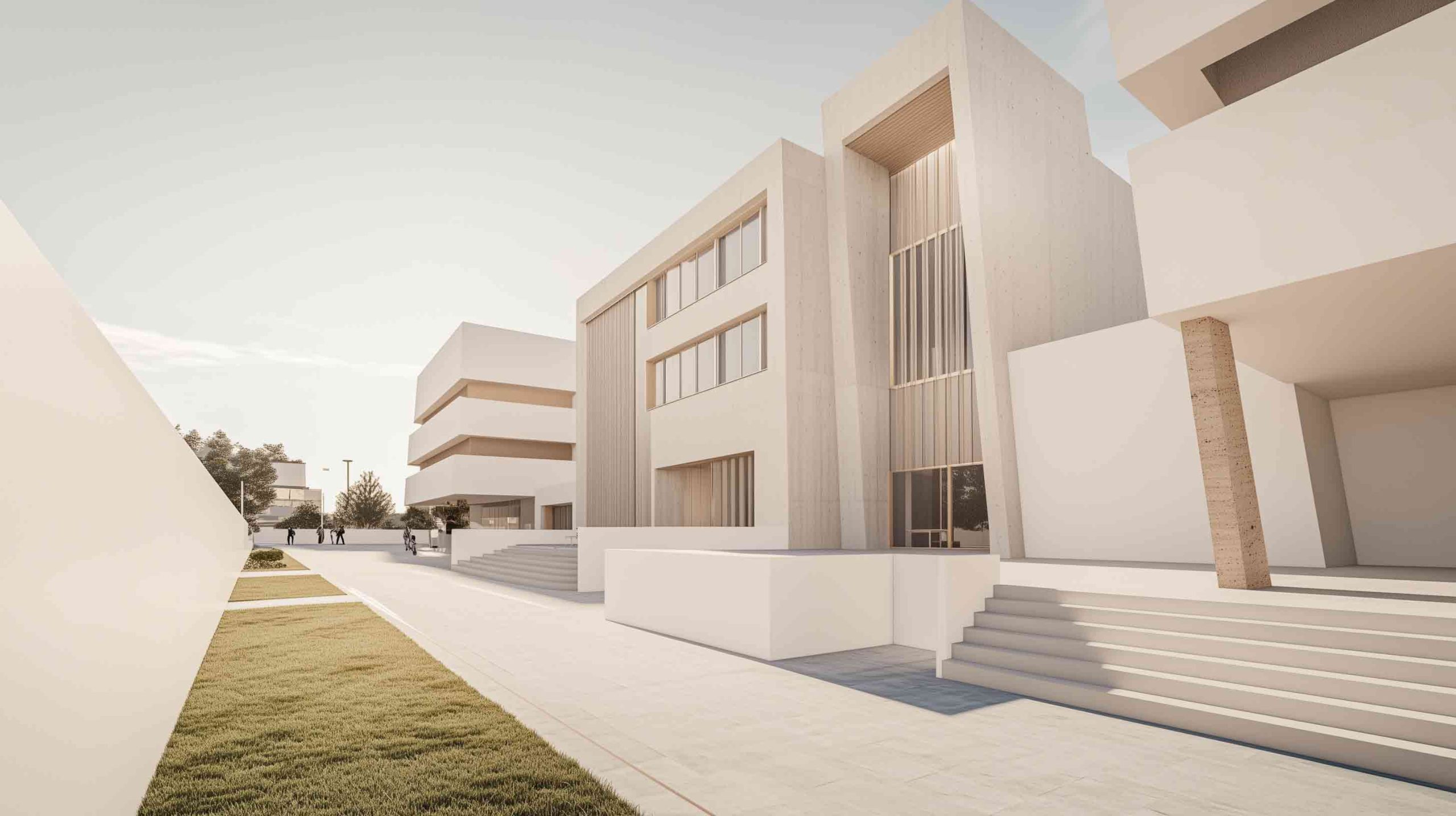
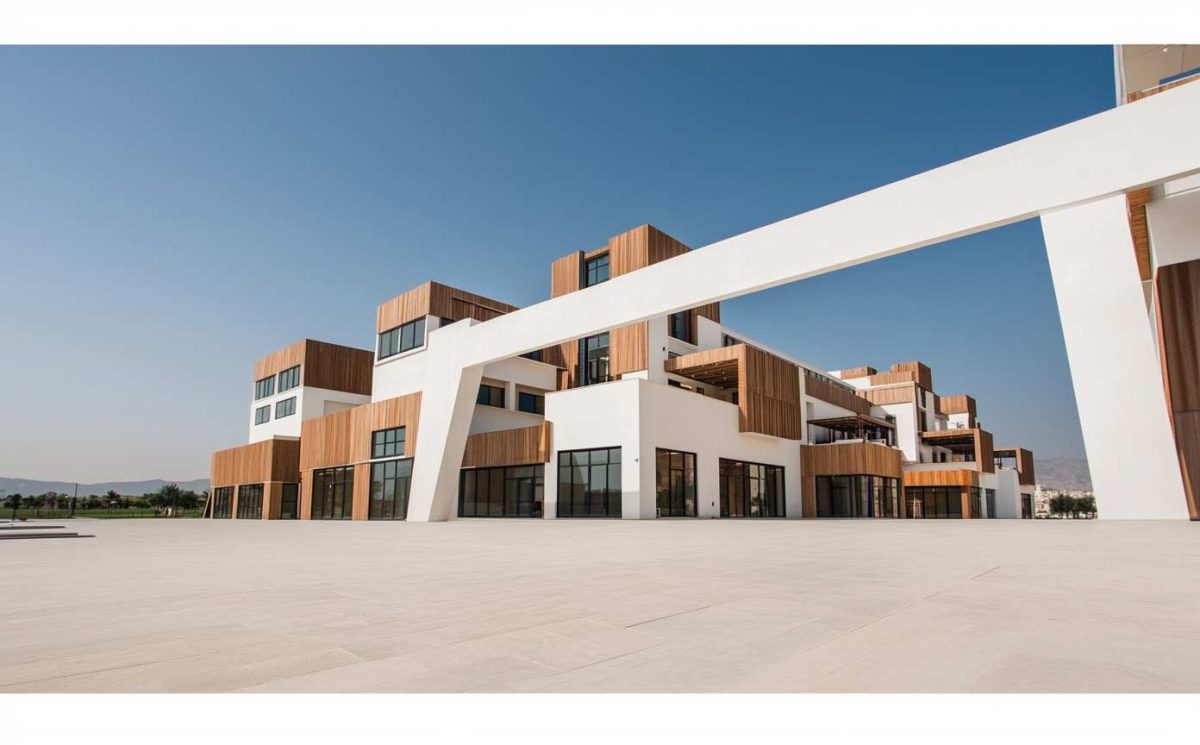
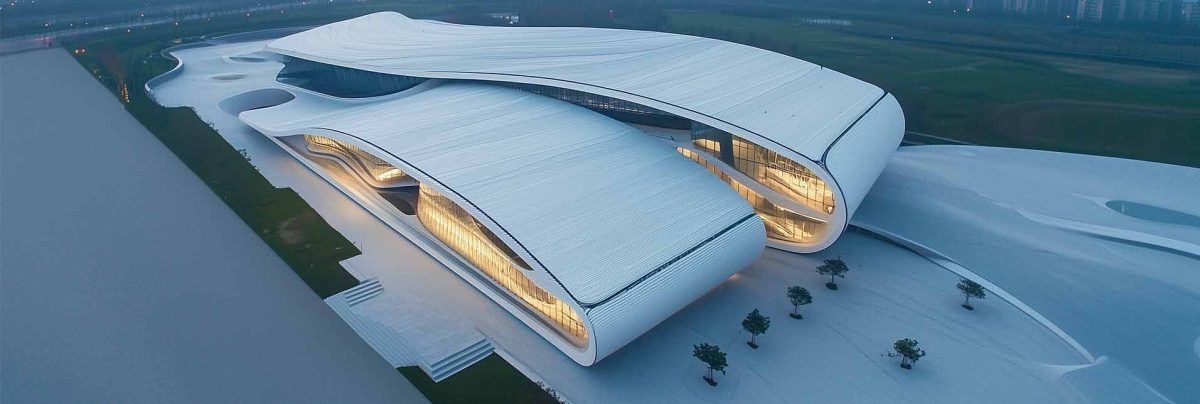
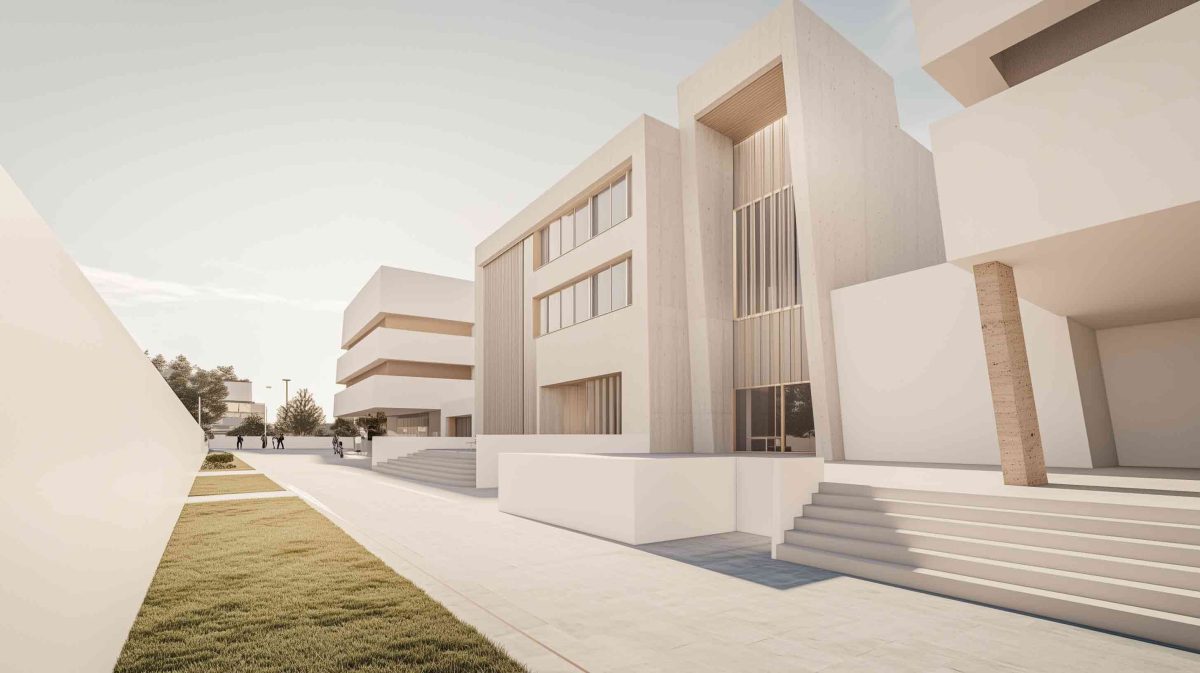
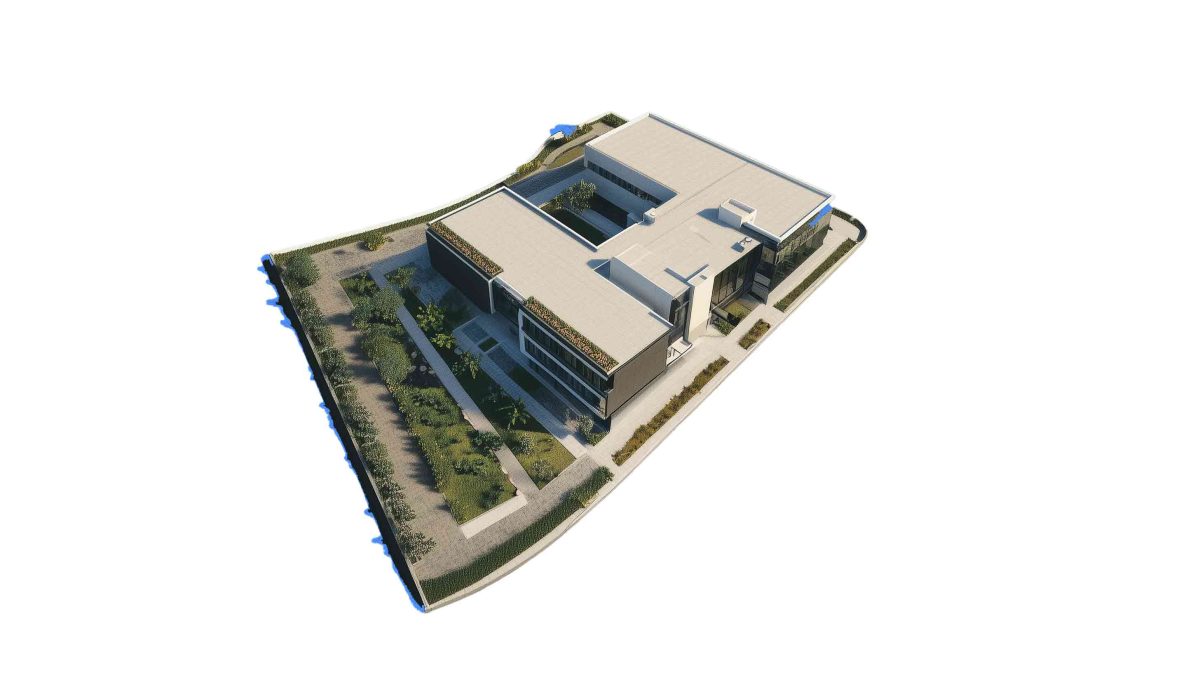
Externally, the hospital presents a minimal and structured massing, wrapped in clean lines and softened with healing gardens, natural daylight, and sustainable energy solutions  reflecting both architectural precision and a human-centered philosophy.

Project Overview

Designed in 2022 as a conceptual academic project, Eternal Hospital re imagines the structure of a healthcare facility as a system of intelligent spatial relationships and human focused environments. Situated in South Tehran’s dense Abad neighborhood, the hospital is designed not only for medical efficiency but for emotional clarity, healing, and sustainability.

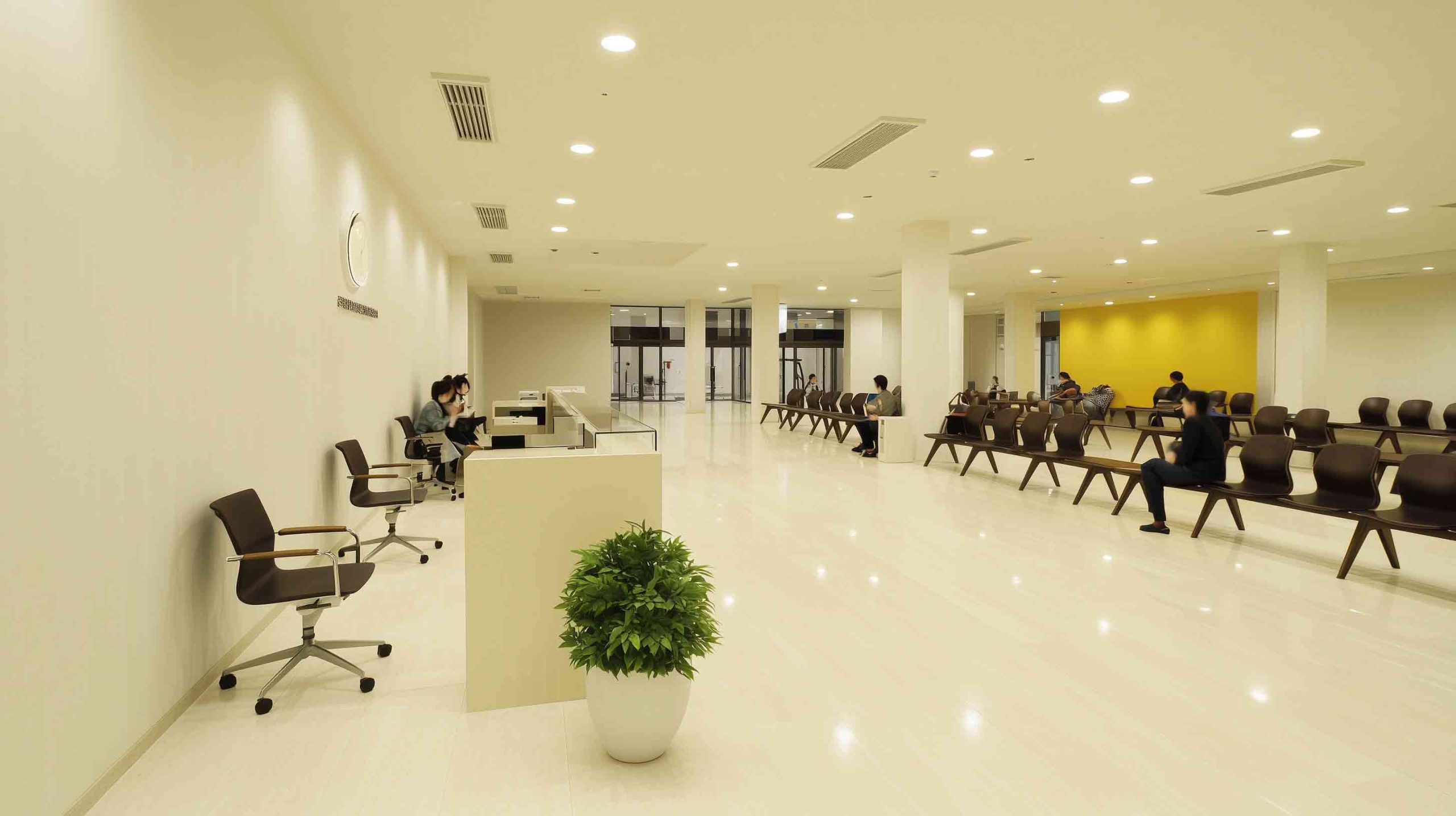
The project combines rational zoning with emotional calm, balancing robust function with an atmosphere of quiet dignity. It challenges the often chaotic perception of healthcare buildings by offering a spatial experience that’s clear, breathable, and structured inside and out.


Architectural Concept

The core design philosophy behind Eternal Hospital is the thoughtful adjacency of spaces. Departments and units are placed based on flow, urgency, and synergy creating an ecosystem where patients, doctors, and systems move fluidly.

From a planning perspective, the hospital avoids unnecessary circulation, instead creating direct connections between critical areas. This logic shapes both the section and the plan forming a layout where form follows healing.

To enhance this logic, the building integrates sustainable strategies such as daylighting, passive energy systems, and healing gardens creating a better environment for recovery and well-being.


Program Breakdown

    • Ground Floor:

      • Emergency Department

      • Primary access & circulation

      • High-speed connection to upper floors (stairs + elevator)

    • First Floor:

      • Surgery & Operation Rooms

      • ICU
      • CCU
      • Diagnostic and treatment facilities

      • General outpatient services

      • Support and medical staff zones

    • Second Floor:

      • Inpatient rooms and recovery units

      • Resting lounges

      • Secondary support spaces

      • Quiet zones and open terraces (optional)


Key Features

  • Three-story structure with vertical circulation for rapid access

  • Zoned layout based on urgency and treatment flow

  • Healing gardens and green space to reduce patient stress

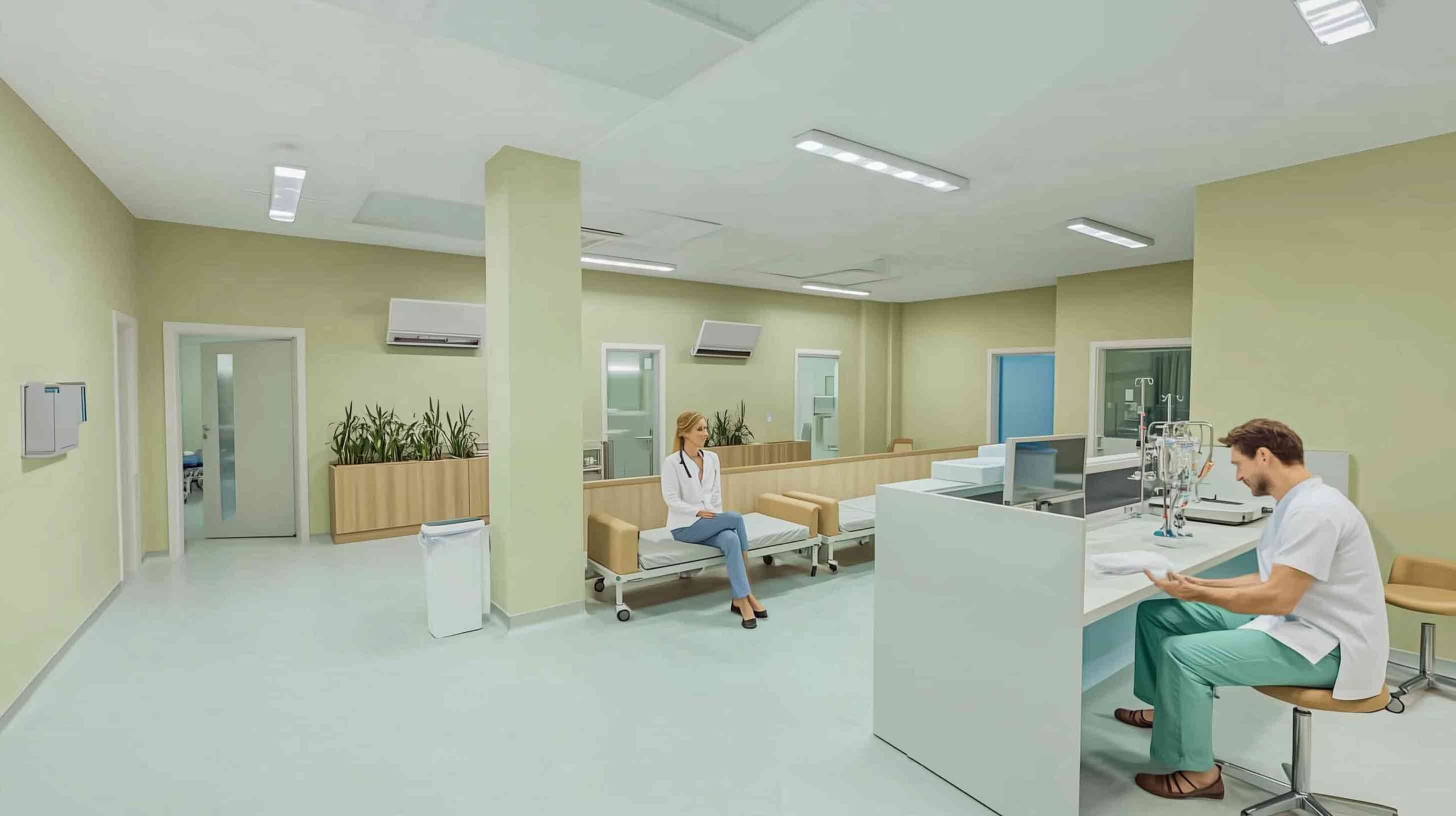
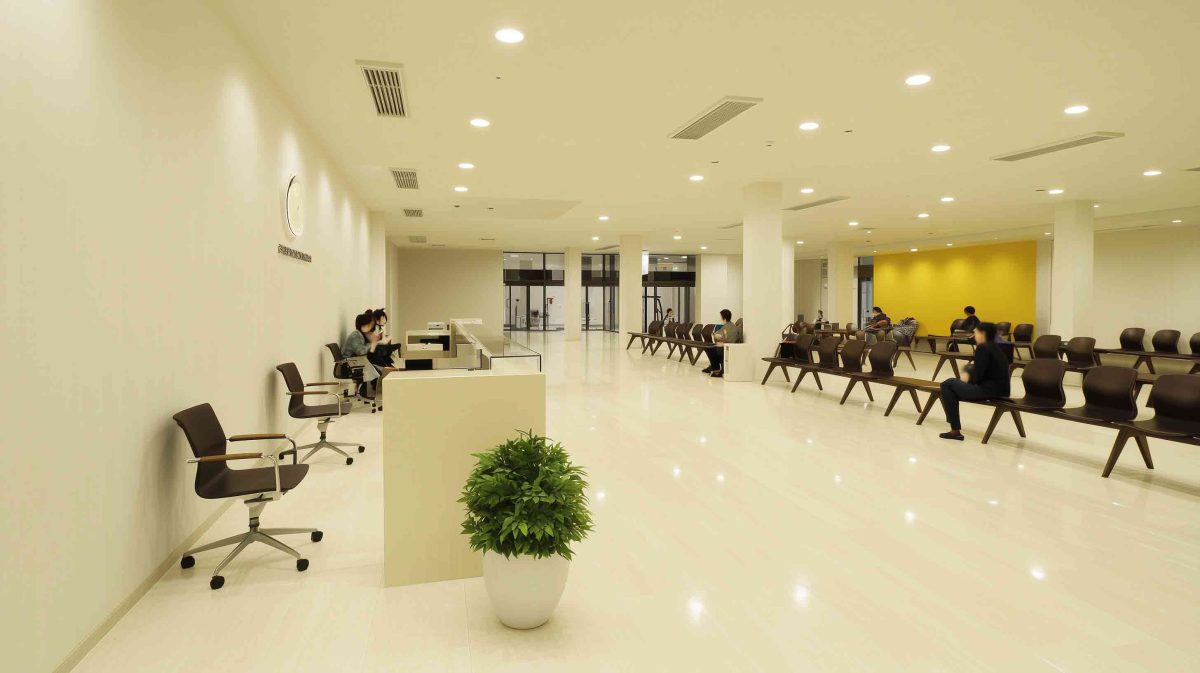
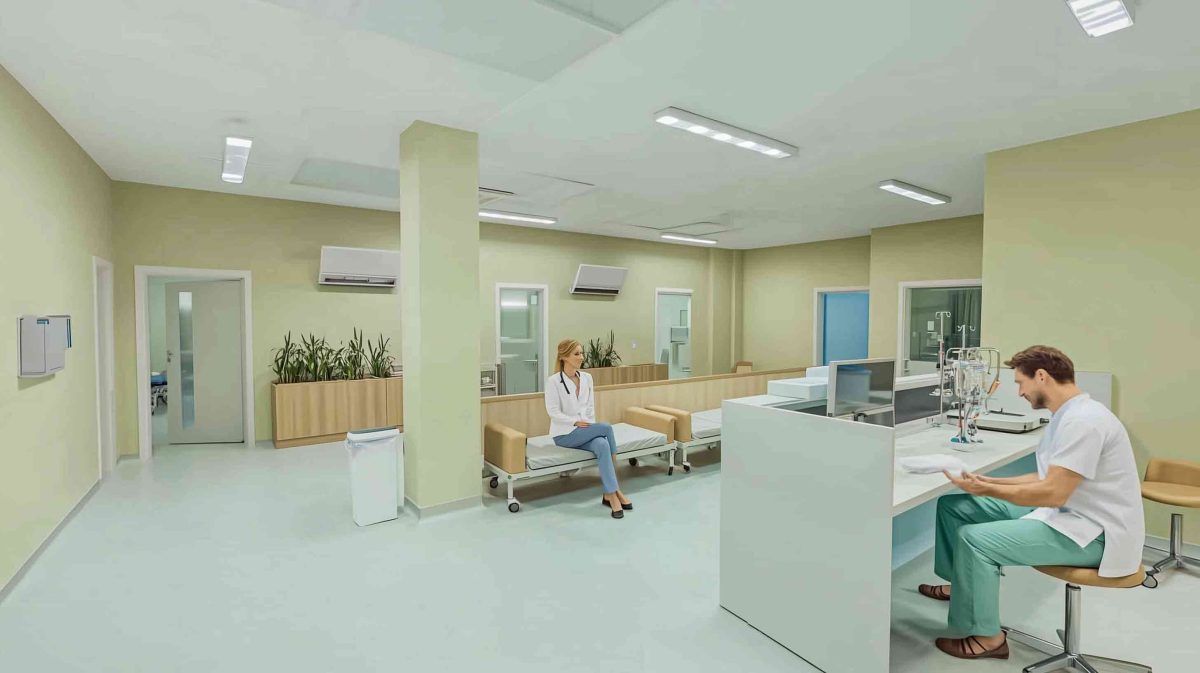
  • Natural daylight integration in patient and waiting zones

  • Use of sustainable and clean energy strategies

  • Balanced massing and calm architectural language

Architect’s Note

“Hospitals must be places of order, not confusion of recovery, not just repair. With Eternal Hospital, I sought to organize space with care, where each section supports the other like a living system. It’s a model where architecture becomes part of the treatment itself.”
Pouya Gerami

Level 4 , Bijan tower,
Tehran, MIrdamad St, Iran